









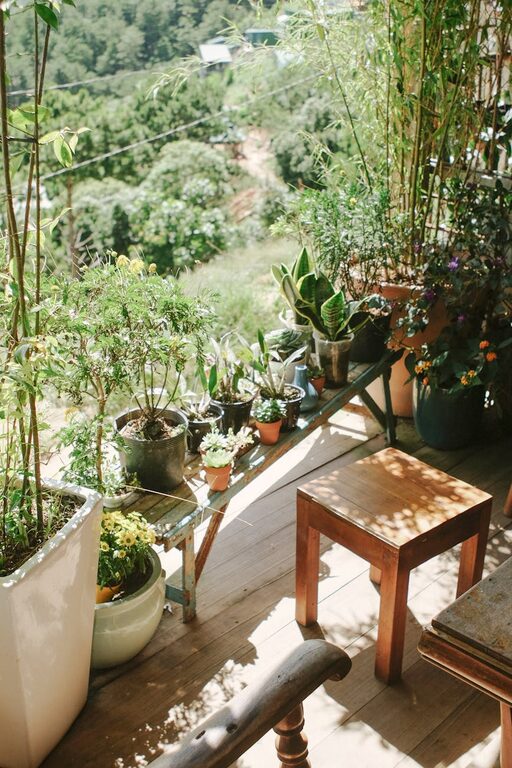
Creating a relaxing home garden is a wonderful project that brings beauty, calmness, and fresh air to your living space. For beginners, the idea of starting a garden may seem overwhelming, but with a few simple steps, you can design an inviting outdoor haven. This guide will walk you through the essential tips to help you create a peaceful garden, tailored to your needs, and easy to maintain.
Why Create a Relaxing Home Garden?
Gardens offer more than just aesthetic pleasure. They provide a space to unwind, connect with nature, and enjoy some quiet time. Even small gardens can improve your well-being by reducing stress and encouraging outdoor activity. A relaxing garden doesn’t have to be complicated; thoughtful planning and simple care routines are key.
Step 1: Assess Your Space and Decide on the Garden Type
Before you start planting, consider the available space and how you want to use it. Some common garden types include:
– Patio Garden: Ideal for small spaces or courtyards; focuses on pots and container plants.
– Flower Garden: Filled with colourful blooms to attract pollinators and create visual interest.
– Herb or Vegetable Garden: Useful for cooking, offering fresh produce and engaging activities.
– Zen Garden: Minimalist design with stones, sand, and a few plants to promote calm and meditation.
Check how much sunlight your garden receives throughout the day, the soil type, and drainage. Make notes on these factors to guide plant selection.
Step 2: Choose the Right Plants
Select plants suited to your local climate and soil. This will make maintenance easier and increase the success of your garden. Some beginner-friendly, low-maintenance options include:
– Lavender: Fragrant and drought-resistant, great for relaxation.
– Ferns: Perfect for shady spots and add lush greenery.
– Succulents: Need little water and are hardy.
– Herbs like mint, rosemary, or thyme: Useful and pleasant to grow.
– Daisies or marigolds: Cheerful flowers that attract bees and butterflies.
Consider mixing evergreen plants with seasonal blooms for year-round interest.
Step 3: Plan Your Garden Layout
Sketch a simple layout of your garden area. Position seating areas where you can relax and enjoy the view. Paths made from gravel or stepping stones create structure and easy access.
When planting, group plants with similar water and sunlight needs together. This makes care simpler and helps plants thrive.
Step 4: Prepare Your Soil
Healthy soil is the foundation of any garden. Clear the area of weeds and debris, then loosen the soil with a fork or spade. Add compost or well-rotted manure to improve fertility and drainage. If your soil is heavy clay or sandy, amendments like peat or organic matter can help balance it.
Step 5: Plant with Care
Follow the planting instructions for each plant’s depth and spacing. Water them gently after planting to help settle the soil around roots. Mulch around plants can help retain moisture and reduce weeds.
For container gardens, make sure pots have drainage holes and use good-quality potting mix. Group containers to create attractive clusters.
Step 6: Create a Comfortable Seating Area
Your garden isn’t complete without a spot to sit and relax. Choose comfortable garden furniture like benches, chairs, or hammocks, depending on your space. Consider adding cushions and outdoor rugs for extra comfort and style.
Shade options such as umbrellas or pergolas can make your garden more enjoyable during sunny days.
Step 7: Introduce Soothing Elements
Adding features to engage your senses can greatly enhance the relaxing atmosphere:
– Water Feature: A small fountain or pond adds the calming sound of flowing water.
– Wind Chimes: Provide gentle, melodic sounds in the breeze.
– Soft Lighting: Solar-powered lanterns or fairy lights create a cosy ambiance in the evenings.
– Aromatics: Plant scent-rich flowers or use scented candles to delight your senses.
Step 8: Maintain Your Garden Regularly
Even the easiest gardens need some upkeep. Regular watering, weeding, and pruning will keep plants healthy. Check for pests and diseases early to prevent problems.
Set a schedule that fits your lifestyle, whether it’s daily brief checks or weekly care. Make it a relaxing hobby rather than a chore.
Tips for Garden Beginners
– Start small: Don’t overwhelm yourself with too many plants or a large area.
– Use raised beds or containers if bending is difficult.
– Learn as you go: Gardening is about trial and error.
– Enjoy the process and celebrate your garden’s growth.
Conclusion
Creating a relaxing home garden is a rewarding experience that anyone can enjoy. By carefully planning your space, selecting plants wisely, and adding personal touches, you’ll craft a peaceful retreat just outside your door. Take your time, be patient, and watch your garden flourish into a soothing spot for relaxation and enjoyment. Happy gardening!